
How to Choose the Right RV Floor Plan for Your Family
The right RV is not simply the model with the longest feature list. It is the unit whose layout works for the people traveling in it, the vehicle towing it and the way it will be used.
A floor plan controls nearly every part of the camping experience: where everyone sleeps, how easily meals can be prepared, whether the bathroom feels usable, how much gear can be stored and whether people can move around when slides are closed. Before comparing finishes or entertainment systems, compare how each RV functions.
This guide explains the major decisions to make before buying a travel trailer, fifth wheel or motorhome. It is designed for shoppers in Anthony, El Paso, Las Cruces and throughout West Texas and Southern New Mexico.
1. Start With the People Who Will Actually Travel
Count regular travelers, not the maximum number of people who might join once a year. A dinette or sofa may technically convert into a bed, but repeated setup and limited privacy can become frustrating on longer trips.
Couples
Rear-living and front-bedroom layouts often provide larger seating areas, better kitchens and more wardrobe space.
Families
Bunkhouse layouts create dedicated sleeping zones and reduce the need to rebuild the living room every morning.
Traveling With Guests
Look for a second bathroom, a loft, a private bunk room or opposing slides that create usable gathering space.
Traveling With Pets
Check floor space, entry steps, ventilation, washable surfaces and whether food bowls can remain out of the main walkway.
2. Match the Floor Plan to Your Travel Style
Weekend Camping
For short regional trips, simplicity often wins. A lighter travel trailer with fewer systems can be easier to tow, park, clean and prepare between trips.
Extended Vacations
Travelers spending one or more weeks on the road usually benefit from a larger refrigerator, pantry, comfortable seating, more clothing storage and a bathroom that can be used without feeling cramped.
Full-Time or Seasonal Living
Long-term travelers should prioritize residential comfort: washer-and-dryer preparation, large tanks, four-season features, a true workspace, substantial wardrobe capacity and seating designed for daily use.
Practical test: Sit in the RV for at least 20 minutes. Open the refrigerator, stand in the shower, lie on the bed and imagine using the kitchen while another person walks through the unit.
3. Verify Tow Rating, Payload and Hitch Requirements
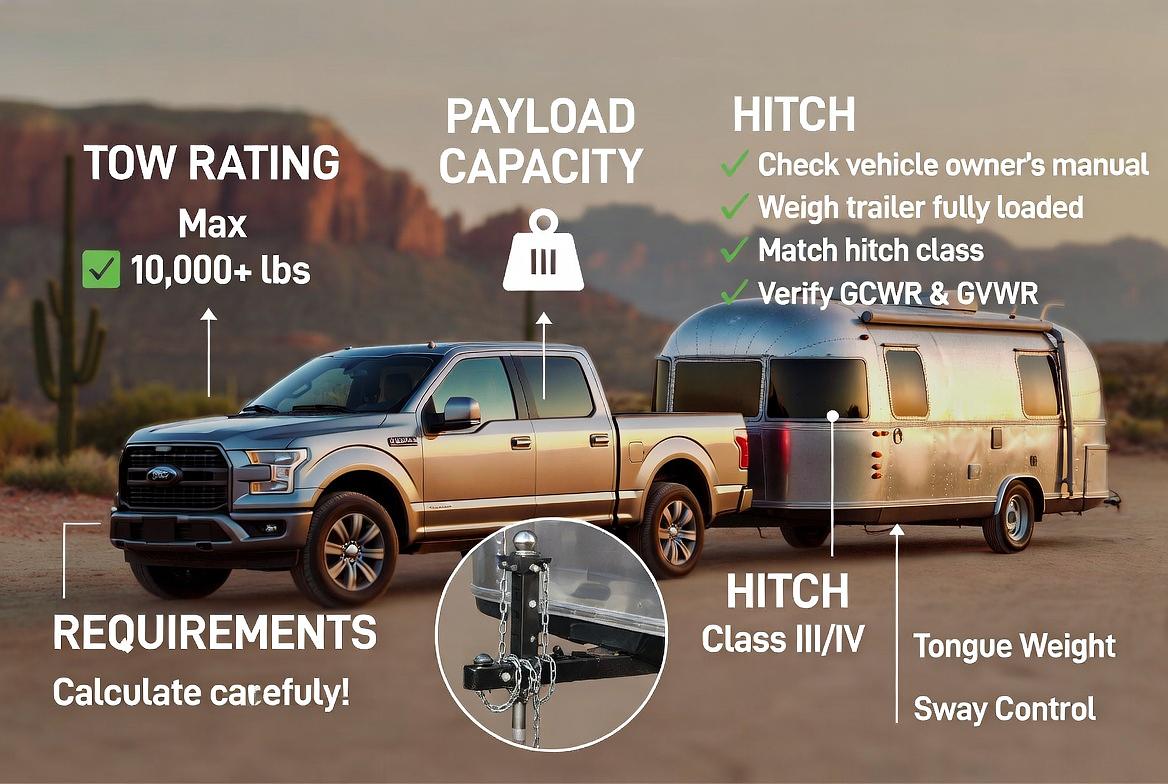
A floor plan is only a good choice when the tow vehicle can handle the loaded RV safely. Published dry weight is not the final travel weight. Water, batteries, propane, food, clothing and camping equipment all add weight.
- Confirm the tow vehicle's maximum trailer rating.
- Check payload capacity on the driver's-door label.
- Account for passengers, cargo and hitch weight.
- Verify whether a weight-distribution hitch or fifth-wheel hitch is required.
- Leave a reasonable safety margin rather than planning around maximum ratings.
When comparing units, ask for the RV's unloaded vehicle weight, gross vehicle weight rating and cargo-carrying capacity. These figures provide a more complete picture than length alone.
4. Decide How Much Separation and Privacy You Need
Open layouts feel spacious, but private rooms are valuable when travelers have different schedules. Parents may want a door between the primary bedroom and bunk room. Remote workers may need a dinette or desk away from the television. Guests may appreciate access to a bathroom without walking through the main bedroom.
Also inspect traffic flow. Determine whether the refrigerator, bathroom and bed can be reached with the slides closed. That matters during fuel stops, overnight parking and roadside breaks.
5. Examine the Kitchen as a Working Space
Counter space matters more than decorative finishes. Look for enough room to prepare food, set down hot cookware and use small appliances. Check pantry depth, refrigerator door clearance, trash-bin placement and whether cabinet doors collide with one another.
Outdoor kitchens can be useful for warm-weather camping, but they should complement—not replace—a functional interior kitchen. Desert wind, high heat and sudden weather changes can make exterior cooking impractical.
6. Test the Bathroom Before Buying
Stand inside the shower and close the door or curtain. Sit on the toilet. Check knee room, headroom, ventilation and storage for towels and toiletries. In split-bath layouts, determine whether the arrangement provides enough privacy for everyone traveling.
Families may prefer a second exterior bathroom entrance because it reduces dirt tracked through the RV. Couples may prefer a larger rear bathroom with more counter and wardrobe space.
7. Measure Real Storage, Not Just the Number of Cabinets
Cabinets can look substantial while offering little usable depth. Bring measurements for chairs, coolers, tools, pet supplies, outdoor rugs and other essential equipment. Inspect exterior pass-through storage, under-bed compartments, pantry shelving and access to mechanical systems.
Weight distribution also matters. Heavy gear should not all be concentrated at one end of the trailer.
8. Consider Climate and Regional Travel Conditions
RVs used around Anthony, El Paso and Las Cruces must handle intense sun, high summer temperatures, blowing dust and significant temperature swings. Ask about air-conditioning capacity, insulation, window coverage, roof condition, seals and underbelly protection.
For mountain trips to Cloudcroft or Ruidoso, towing performance and braking become especially important. For lake trips to Caballo or Elephant Butte, exterior storage and outdoor living features may move higher on the priority list.
9. Compare Floor Plans in Person
Online photos make rooms appear larger and rarely show awkward clearances. Walk through several RVs in the same category. Open every door, cabinet and drawer. Sit in every seat. Check whether the bed can be made without climbing over furniture and whether two people can pass in the main aisle.
Fun Country RV & Marine carries travel trailers, fifth wheels, motorhomes and marine inventory at its Anthony, Texas location, allowing shoppers to compare multiple layouts in one visit.
A Simple Floor-Plan Decision Checklist
- How many people need permanent sleeping space?
- Can the tow vehicle safely handle the loaded RV?
- Can essential areas be reached with the slides closed?
- Is there enough kitchen counter and pantry space?
- Does the bathroom fit every regular traveler?
- Is there dedicated storage for the gear you actually own?
- Will the air-conditioning and insulation suit regional conditions?
- Does the layout support weekend, extended or full-time use?
Find the Right RV at Fun Country RV & Marine
The best floor plan is the one that remains comfortable after the excitement of the showroom wears off. Compare real-world usability first, then evaluate features, finishes and price.
Visit Fun Country RV & Marine at 8800 South Desert Blvd., Anthony, TX 79821, or call 915-886-3500 to compare available RVs and discuss towing, financing, trade-ins, parts and service.
Browse Current InventoryContact Fun Country
Frequently Asked Questions
What RV floor plan is best for a family?
Should I choose a travel trailer or fifth wheel?
Can I use the RV when the slides are closed?
How much sleeping capacity do I need?
Where can I compare RV floor plans near El Paso or Las Cruces?
Inventory, specifications, financing and service availability may change. Confirm current details directly with Fun Country RV & Marine before purchase.